10 Year-End Tips for Wrapping up Research
As the year draws to a close, researchers across the world enter a familiar, frantic season: freezing those cells, finishing up some experiments, hustling between getting things done and enjoying the end-of-the-year department potlucks, and realizing maybe not everything one planned to do got done!
It is possible to close the year strong with some organization and prioritization, though. Here’s a practical and strategic guide to help you wrap up your research projects, reduce year-end stress, and build momentum for the new year.
10 Year-End Tips for Wrapping up Your Research
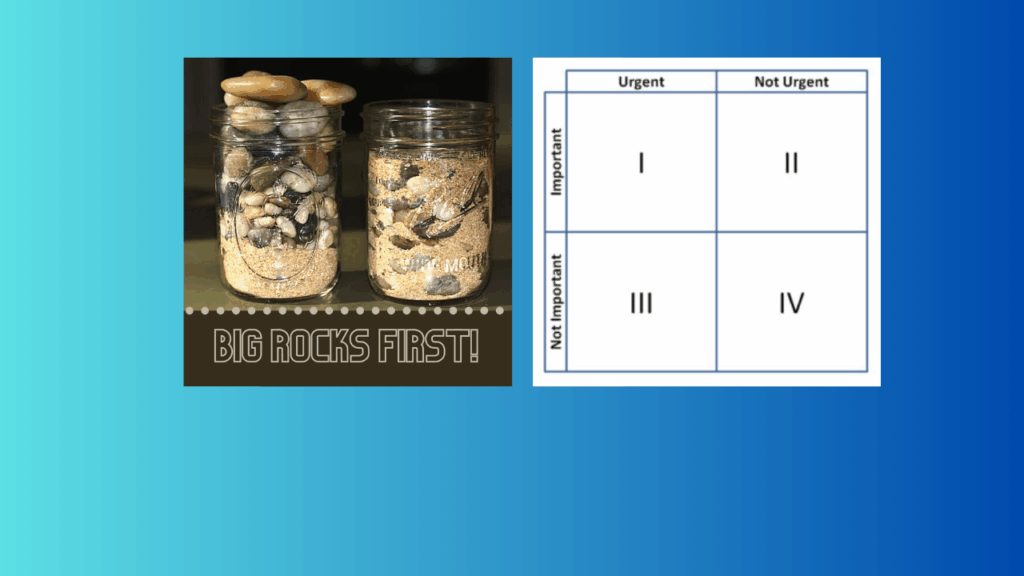
1. Figure Out Priorities
The biggest mistake researchers make is trying to finish everything.
Instead, try this:
- List all ongoing tasks (manuscripts, experiments, admin, peer review, grant work).
- Identify what must be completed in December (e.g., experiments with time-sensitive assays, revisions with deadlines, submissions before office shutdowns).
- Defer, delegate, or delete the rest.
A focused month beats a frantic one.
2. Set “Micro-Deadlines” Before Official Deadlines
Labs and university offices often shut down earlier than expected. Editors, supervisors, and collaborators may travel. To avoid surprises, set internal deadlines at least 7–10 days before real ones.
For example:
- Journal submission: Internal deadline December 15 → real deadline December 22
- Data freeze: Internal December 10 → real December 18
This buffer gives you space for last-minute checks, approvals, and file formatting that always takes longer than expected.
3. Save Your Data and Documentation
Before taking a holiday break, ensure your work is “restart-ready.” Future you will thank present you.
Do this before shutting down your computer:
- Back up all raw data, notebooks, and scripts.
- Organize datasets logically (no more “final_final2.xlsx”).
- Save your code environment and document versions.
- Write a short “restart memo” outlining where you left off.
This prevents January from becoming a foggy re-entry struggle.
4. Lock in Collaborator Inputs Early
Collaborators disappear in December—including you!
Send gentle nudges now, not later.
Message template:
“Hi, I’m aiming to finalize this before the year-end shutdown. Could you share your inputs by [date]?”
Clear expectations + earlier deadlines = fewer bottlenecks.
5. Pick One Win to End Strong With
If you can realistically submit one solid manuscript instead of juggling three incomplete ones, choose depth over volume.
A successful December submission:
- resets your academic momentum
- clears your mental space
- earns you reviewer queue time during the holiday lull
One completed milestone is better than many near-misses.
6. Submit While Things are in Holiday Mode
Many journals, especially in the US and Europe, slow down from late December to early January. But submissions don’t. In fact, submitting right before the break can help your paper enter the queue early.
Also check:
- institutional grant office deadlines
- ethics committee meeting dates
- lab maintenance shutdowns
- finance/procurement cut-off dates
A quick email now avoids a scramble later.
7. Wrap Up Your Experimental Work Intentionally
Wet-lab researchers often face added pressure because experiments cannot simply be paused.
Before the break:
- Finish short assays or ongoing time points.
- Avoid starting anything that requires daily intervention.
- Freeze or store samples properly.
- Document protocols, conditions, and deviations clearly.
Minimizing mid-experiment shutdowns protects your data integrity.
8. Update Your CV, ORCID, and Researcher Profiles
Year-end is the perfect time to bring all your academic profiles up to date—before those January deadlines for annual reviews or grant submissions sneak up.
Update:
- new publications
- conference presentations
- completed training and certifications
- grant submissions and outcomes
- peer review contributions
It’s a quick task with long-term benefits.
9. Block Protected Time for Writing Sprints
The holiday season can be chaotic, but it also offers surprising pockets of quiet. Use this time to push writing projects forward.
Try:
- 60–90 minute writing sprints
- distraction-free environments
Small bursts can produce big progress.
10. Celebrate Your Wins—and Reflect on Your Year
Researchers often focus on what’s not done. But acknowledging progress is crucial for motivation and wellbeing.
Take an hour to reflect on:
- What went well this year?
- Which collaborations strengthened your work?
- What skills did you develop?
- Where can you streamline your workload next year?
Close the year with gratitude, not guilt.
A Strong Finish Sets the Stage for a Strong Start
December doesn’t have to be frantic. With thoughtful prioritization, early communication, and smart time management, you can end the year with clarity—and enter January energized rather than overwhelmed.
The goal isn’t perfection. It’s progress with intention.