LinkedIn for Scientific Communication: How Researchers and Scientists Can Leverage Their LinkedIn Profile
Blog Highlights
- LinkedIn is a great platform to share your academic milestones like completing your PhD, getting published in an international journal, or being invited to speak at a conference
- Use LinkedIn for professional networking beyond your peers in your university and research institute. It has a global reach and can help you connect with researchers and scientists worldwide
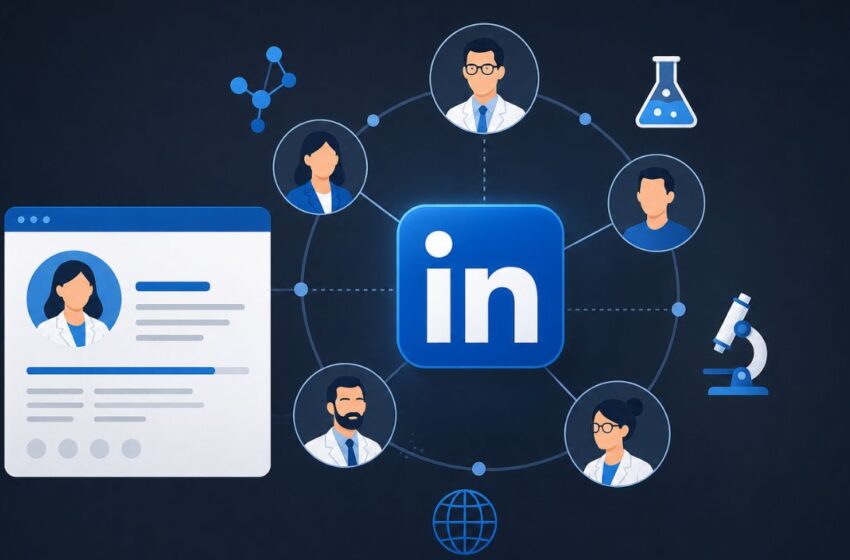
- LinkedIn brings numerous opportunities to expand your academic reach and influence the scientific community when leveraged effectively
Why LinkedIn over Other Social Media Platforms
How Researchers Can Leverage LinkedIn
Introduction
Julia is a budding researcher keen on starting her academic journey as a scientist. Her talent and intelligence were always recognized by her teachers in her schooling days. So, as a young graduate on the cusp of completing her PhD, she feels confident that opportunities will automatically flow her way.
Newsflash! There’s nothing automated about advancing one’s career. To realize her dreams, Tara will have to showcase her talent, skills, intelligence, and worth to make herself known in the scientific community. Enter social media platforms! None of us are new to them, yet very few of us know the right platforms to be leveraged for the right purposes.
One such platform is LinkedIn, a platform that has effectively bridged the gap between professionalism and social media culture.
Why LinkedIn over Other Social Media Platforms
LinkedIn, originally meant solely for professional networking [1], was once a repository of resumes that has now evolved into a comprehensive social media platform for professional (and personal) branding, skill development, educational growth, and industry insights. Platforms like X, Facebook, and Instagram are not entirely suitable for scientific communication. LinkedIn, however, brings a perfect balance:
- It allows users to comment, like, and share posts. Posts can be longer (unlike on X that limits the number of characters on each post) to ensure effective scientific communication.
- Users are more likely to maintain professionalism since they use their actual names, educational qualifications, and employer details. There’s no hiding behind anonymity, encouraging people to remain polite and respectful in their tone when writing comments.
- You can network with people in your field, not just from your university or region, but from around the world. LinkedIn’s global reach allows you to connect with like-minded people worldwide while expanding your influence to take scientific knowledge in the right direction.
- No random “Suggested Posts” appear based on algorithm; instead, you are alerted of the updates shared by the people you follow to give you genuine insights that are relevant to you.
LinkedIn for researchers and scientists can be especially useful when leveraged correctly. How? Let’s dive in.
How Researchers Can Leverage LinkedIn
Most of you probably already have a LinkedIn profile. You’ve set it up, filled in the necessary details under different profile sections, and even started making “connections.” Below are some tips to getting started the right way on LinkedIn.
Getting started on LinkedIn
Even if you are not new to LinkedIn, let’s say you have recently started working at a university or a research institute. Or perhaps, you’ve been acquainted with several new people that you met at a conference. There will be a whole new bunch of peers to connect with.
- First, start by updating your profile with the details of the university/institute. The platform then automatically shortlists some recommendations based on common connections.
- Connect with people that you’ve perhaps briefly interacted with at the institute. Let the ice breaking happen offline so that the online connection does not feel random and unfamiliar.
- Avoid accepting connection requests from anyone and everyone. There may be many people who are vaguely linked to the work you do, but do not truly add value to your field of interest. So, do not simply accept/send requests just to increase the number of connections.
This base of network you build at the beginning is crucial because your communication must reach the right people. This way, the algorithm knows what you’re looking for and delivers relevant, insightful content on your feed.
Becoming active and taking charge
The key to networking is engagement. Add comments on posts that interest you. You can like and share to show your support to the content posted by your connections.
Always try and contribute something of value rather than simply adding comments like “100% agree” or “This was so insightful”.
- What part of the post do you agree with the most?
- What insights did you gain that was so valuable?
- If you disagree or are of a different opinion, why is it so?
Engage with the audience in the comments section and have respectful conversations. Be authentic, express your ideas, and remain open to being corrected if you are in the wrong. There’s no shame in it!
Types of posts to share
As you spend time engaging with the folks, you need to start posting things on your own as well. Do not worry about whether the post will be well received. If you feel it is worth sharing, post it!
For researchers, LinkedIn is a great way to enhance visibility for their published works. Use visuals and graphical abstracts to grab attention of your followers. Why visuals? Because most users are swiftly scrolling and do not read large blocks of text. But a visual could make them pause. Accompany this visual with a short hook that piques other people’s interest about your research and provide a link to your published article.
Keep the posts short and straightforward. LinkedIn is not meant for extremely lengthy pieces of text. That’s what your research paper shows. But how do people reach your research paper? Byte-sized snippets written with short bulleted lists are easy to glean. And users will quickly scan the write-up before moving on to the next. So, keep the content crisp.
Attended a conference? Share moments from the conference as a panel of images or as a carousal post. Add brief descriptions for each or include a single write-up summarizing the conference highlights. Try and point out ONE interesting thing you picked up from your experience; people are always keen on learning new things, and sharing a thought-provoking insight can get the ball rolling in the comments section.
If the post naturally accommodates a question, use it. For example, let’s say there was a little “Eureka moment” you experienced at work. A tiny snippet on this can be used to share your opinion and then pose a question to the audience. Even a simple “What do you think? Let’s get cracking in the comments!” is enough to have your followers engage. And when they do, respond with equal enthusiasm. Do not wait for days to reply to a comment.
Bonus Tip: When you post matters too! Most people are active early in the morning before starting their work day or late in the evening once they close their tasks for the day. Try and reach your audience during these periods as they are more likely to engage.
What NOT to do on LinkedIn
Let’s end this post with 3 things to avoid on LinkedIn.
1. Spamming your profile with excessive posting
Your audience should not feel overwhelmed by the frequency of your posting. One or two relevant posts in a week should help grow your network organically. Avoid posting/sharing 3 to 4 posts each day as it could come off as attracting attention for the wrong reasons.
2. Being overambitious to get more “likes”
Do not post just for the sake of “likes.” LinkedIn can soon become exhaustive and even cause anxiety when you share content that does not serve a purpose. It should remain an enjoyable experience for you as well as the people in your network.
3. Spreading misinformation to generate “hate reads”
Researchers and scientists have a responsibility towards science. Always double and triple check the information before sharing anything on your feed. People can easily spot posts that share no valuable content but are intended solely for likes and shares. Click baits, rage baits, and hate reads are better left for other platforms, not LinkedIn.
Reference
1. From professional networking to global impact: The evolution of LinkedIn https://www.linkedin.com/pulse/from-professional-networking-global-impact-evolution-linkedin-ashfaq-uu31c/