Unlocking the secrets of scholarly publishing: Tips for mid-career researchers
Mid-career researchers can boost their careers by
- Choosing journals based on scope and reputation, rather than time to publication
- Writing high-quality papers, especially literature reviews, methodology studies, and original research
- Adopting strategies to maximize the reach and impact of their work
- Staying updated with current publishing trends
Jump to Section
Crafting a compelling manuscript
Maximizing the impact of your work
Staying current with publishing trends
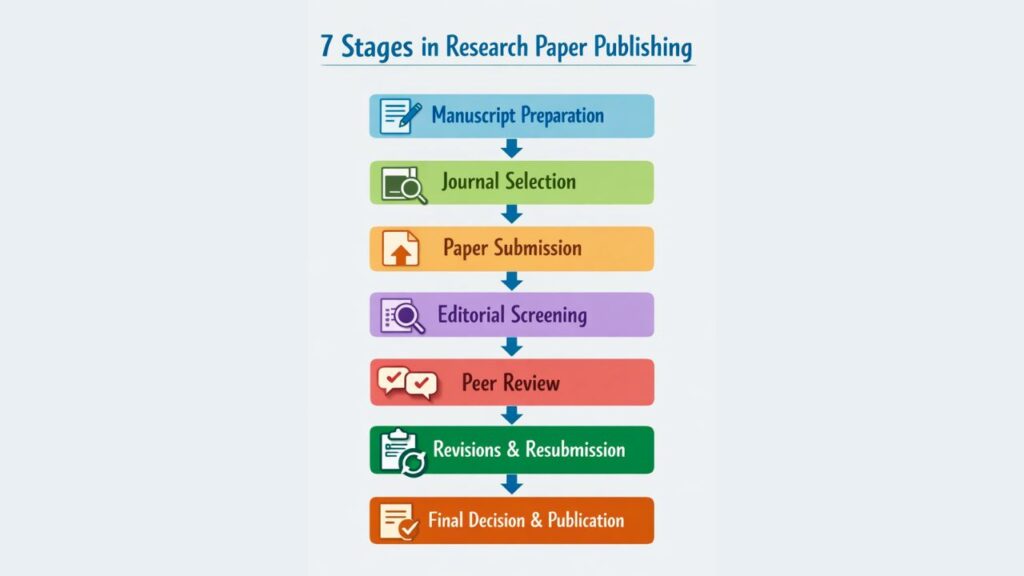
Scholarly publishing plays a pivotal role in the career advancement of mid-career researchers. However, the process of navigating the publishing landscape and achieving publication success differs from the experiences of early career researchers.
In this article, we will explore the unique challenges faced by mid-career researchers and provide valuable tips to help them unlock the secrets of scholarly publishing.
Choosing the right journal
While both early career researchers and mid-career researchers need to choose the right journal for their research, their considerations and priorities may differ. Early career researchers often prioritize journals that provide accessible publishing opportunities to establish their research presence and build a publication record. They may focus on journals with higher acceptance rates and opportunities for early career researchers.
What kind of journals should mid-career researchers choose?
In contrast, mid-career researchers, who have already established a publication record, should
- Shift their focus to journals that align closely with their research topic and have a strong reputation in their specific area of expertise.
- Consider factors such as impact factor, indexing in relevant databases, and the visibility of previous publications (this Journal Finder tool will help you filter journals by all these criteria)
Crafting a compelling manuscript
Crafting a compelling manuscript is equally important for both early career researchers and mid-career researchers. However, there may be some differences in the emphasis and considerations for mid-career researchers.
What kind of research papers should mid-career researchers write?
Mid-career researchers, with more experience and expertise in their field, can focus on refining their writing skills and producing high-quality manuscripts, such as:
- Comprehensive and insightful literature reviews, drawing on their knowledge of the field
- Methodological papers that can serve as a guide to other researchers
- Original research that follows a high reporting standard for the Methods section and also the tables and figures
By investing time and effort in crafting a compelling manuscript that reflects their experience and expertise, mid-career researchers increase their chances of publication success.
Peer review
Both early career researchers and mid-career researchers should understand and navigate the peer review process. However, mid-career researchers may have a more comprehensive understanding of the process due to their previous experiences with manuscript submissions and reviewer feedback. They are familiar with the constructive nature of the peer review process and have likely encountered revisions and comments from reviewers in their earlier career stages.
How should mid-career researchers approach peer review?
Mid-career researchers should
- Continue to address reviewers’ comments diligently, providing clear and well-reasoned responses
- Draw on their experience to interpret reviewers’ feedback effectively and make necessary revisions to enhance the quality of their research
Mid-career researchers may also be in a better position to seek assistance from colleagues or mentors who have expertise in the peer review process. By actively engaging with the peer review process, mid-career researchers can enhance their chances of successful publication and contribute to the advancement of scientific knowledge.
Maximizing the impact of your work
While both early career researchers and mid-career researchers aim to maximize the impact of their work, mid-career researchers have the advantage of an established publication record and more extensive research networks. They can leverage their existing connections and collaborations to increase the visibility and reach of their publications.
How can mid-career researchers maximize the impact of their research?
Mid-career researchers should actively promote their work through
- Various channels such as social media, academic networks, and research profiles
- Engaging in discussions related to their research topic at conferences and through online platforms
- Collaboration with other researchers, including early career researchers
- Sharing preprints or open access versions of their manuscripts to reach a broader audience.
Tracking and measuring the impact of their publications using citation metrics and Altmetrics provide valuable insights into the reach and influence of their work. By actively working to maximize the impact of their research, mid-career researchers can increase their visibility and contributions to their field.
Staying current with publishing trends
Staying current with publishing trends is essential for both early career researchers and mid career researchers. However, mid-career researchers may have a better understanding of the evolving publishing landscape due to their longer research experience and exposure to various publishing practices. They are more likely to be familiar with emerging models such as open access initiatives, preprints, and data sharing practices.
How can mid-career researchers stay updated?
Mid-career researchers can proactively explore and adapt to these trends to enhance the visibility and impact of their research. They can stay updated with journal policies and guidelines, particularly regarding open data, transparency, and ethical considerations.
Exploring emerging platforms and tools that facilitate collaboration and interdisciplinary research enables mid-career researchers to expand their networks and engage with new publishing opportunities. R Discovery, for example, provides you a personalized feed of top, relevant articles published on topics you’re interested in.
By staying informed and adapting their strategies to changing publishing practices, mid-career researchers can position themselves for continued success in an evolving scholarly landscape.