
 Video: Understanding COPE Guidelines on Using AI Tools for Authoring Research Papers

With the rampant use of AI tools in various aspects of the research workflow, authors are often confused as to how or where the use of AI tools is acceptable. Thankfully, the Committee on Publication Ethics (COPE) sets forth some clear guidelines about using AI tools in scientific writing.
In this video, James Sonne (Anatomy & Neurobiology, Ph.D. Integrated Biomedical Sciences) explains what COPE says about using AI tools for authoring research papers. Is it okay to consider a tool to be a contributing author? Absolutely not!
With AI becoming a bigger part of research and publishing, journals are now setting clear rules, and COPE’s guidelines are leading the way. You’ll learn why AI cannot be listed as an author, what responsibilities fall on human researchers, and how AI-generated content must be handled in manuscripts. Learn about COPE’s stance on authorship, conflicts of interest, copyright issues, and why authors must disclose AI use in their paper.
If you’re a researcher, writer, or student using AI for drafting, editing, or idea generation, this video will help you understand what publishers and journal editors expect and how to stay ethical, transparent, and compliant.
Break that writer’s block! Check out Paperpal and simplify your academic writing with AI assistance.

Related post
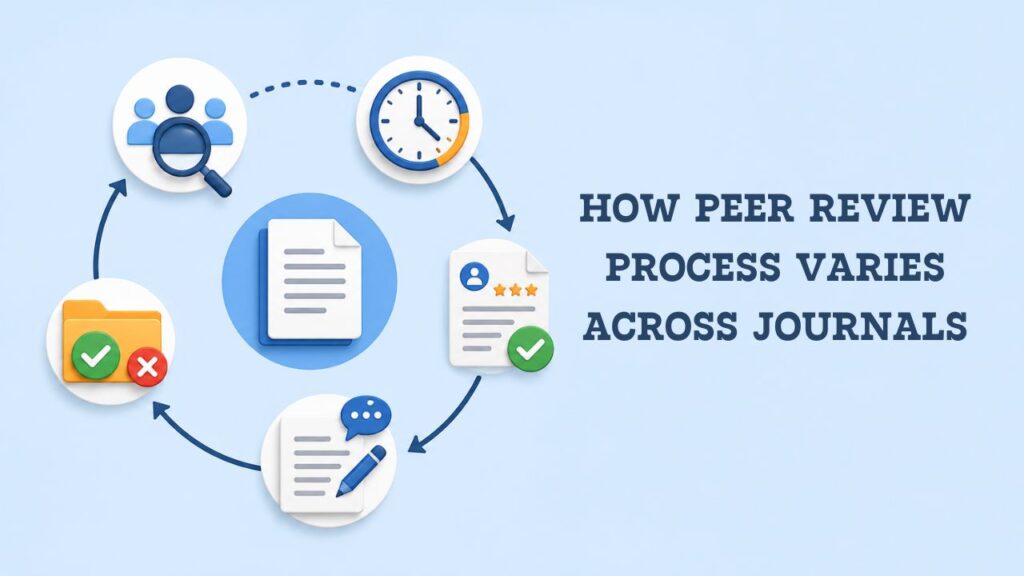
Understanding the Peer Review Process in Different...
October 13, 2026




How to Reply Politely to Peer Reviewer...
October 2, 2026