Infographic: Navigating Manuscript Revision After Peer Review: A Quick Guide

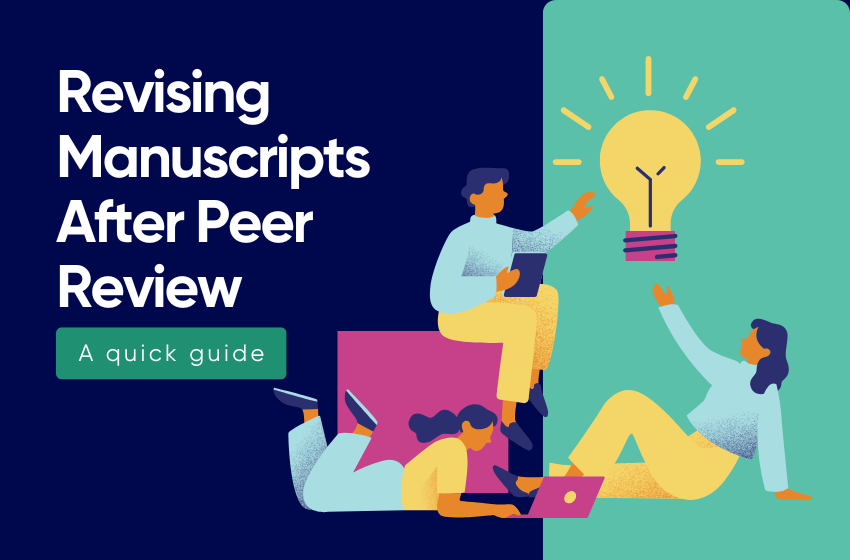
Getting revision requests after peer review is a typical part of academic publishing process. Almost every paper that gets accepted goes through this. At first, it might feel a bit daunting, but here’s the silver lining: reviewers and editors have taken a good look at your research and, even though they see room for improvement, they’re interested in publishing it.
During this process, reviewers point out areas that might be unclear, need more evidence, or where your argument could be stronger. This is your chance to take their expert advice and make your manuscript even better. How you respond is key. Showing that you’ve seriously considered their feedback and used it to enhance your work, and when needed, politely explaining why you didn’t make a suggested change, can make all the difference in getting your paper published. This quick guide is here to help you get organized, plan your revision process and timeline, and navigate it effectively, bringing you one step closer to publication.
Insights_Navigating Manuscript Revision.pdf