

The references section requires adequate details of the documents cited: for a paper in a journal, the name of the journal, volume number, and page numbers; for a book, the place of publication and the Read More

The references section requires adequate details of the documents cited: for a paper in a journal, the name of the journal, volume number, and page numbers; for a book, the place of publication and the Read More
With modern word processors, we no longer have to make do with the same key for lowercase ‘l’ and numeral ‘1’ (as those who have used old portable typewriters may recall). Just as the equipment and Read More
Among the many ways in which journals differ in the way they expect authors to format references is the way names of journals are given: whether spelled out in full or abbreviated (Current Science versus Read More
Graphs are often referred to as pictures of numbers. Graphs capture the meaning behind a set of numbers and convey that meaning at a glance. As a researcher, you are no doubt familiar with bar Read More
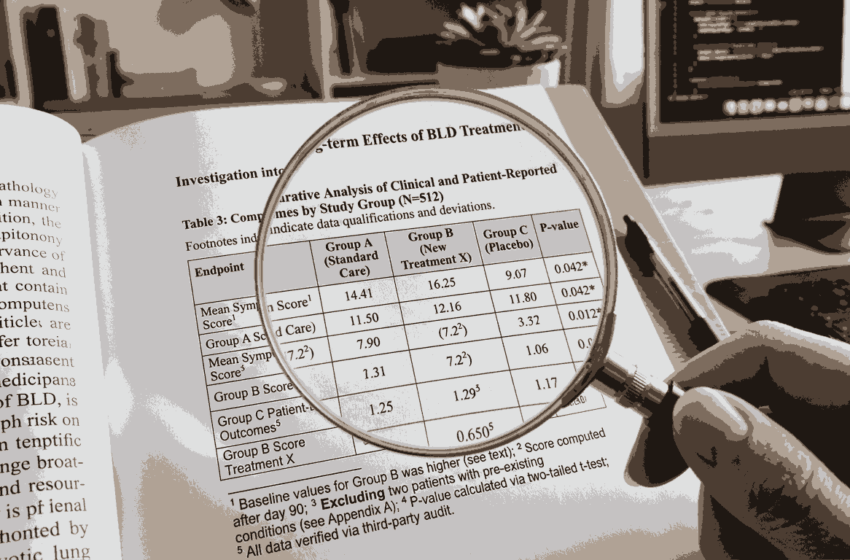
Now that we have dealt with the use of footnotes in tables in a general way [refer to the earlier post here], let us consider some points of detail. 1. Formatting the footnote marker: A footnote Read More
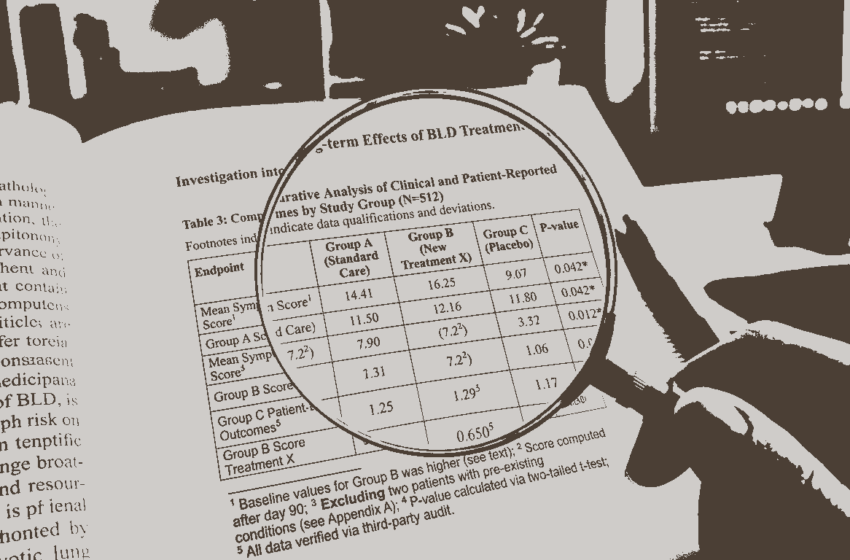
Footnotes often indicate scholarly texts. Although less commonly used in the text now than in the past, footnotes to tables are as common today as they were before, and this post is about how to Read More
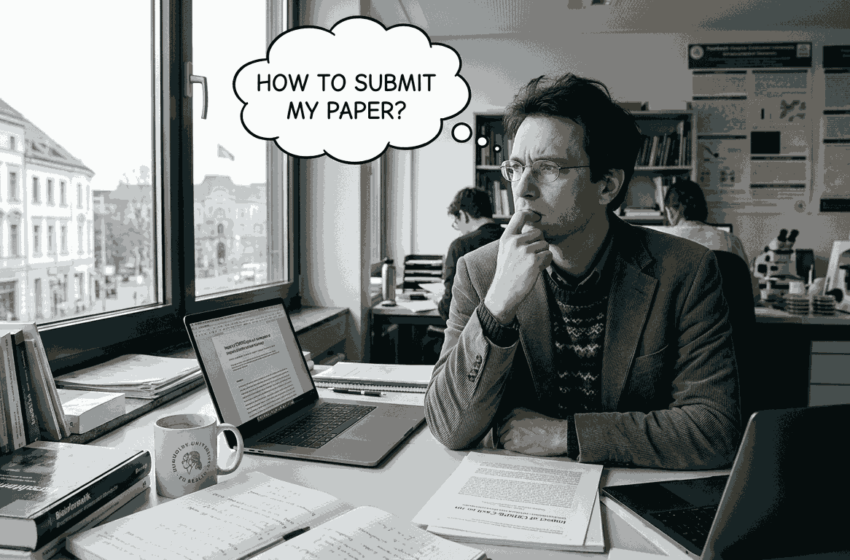
You are allowed to submit 2 or more standalone papers to the same journal, assuming you’re not splitting up data from a single study unreasonably. This article discusses the advantages and disadvantages of submitting 2 or Read More
As part of our continuous efforts to stay abreast of the latest trends in the field of radiotherapy, CACTUS/Editage attended a Continuing Medical Education program on Modern Day Radiation Oncology & Cancer Care on Read More
CACTUS/Editage participated in the 24th Annual Congress of the Society for Editors and Proofreaders (SfEP) held at the University of Exeter from August 31stto September 2nd, 2013. In attendance were about 120 professionals, and in keeping Read More
Rejection is the norm in academic publishing. Even researchers at the top of their field have experienced rejection. Several peer-reviewed studies have investigated the reasons that journals reject papers. Listed below are the most common Read More
Full disclosure: Editage Insights is a product of Editage, a global provider of world-class scientific communication solutions. Editage Insights is funded by Editage and endorses services provided by Editage but is editorially independent. English Editing - Editage.com | 英文校正 – Editage.jp | 원어민영문교정 – Editage.co.kr | SCI英文论文发表 – Editage.cn | publicação de artigos – Editage.com.br | 編輯英文 – Editage.com.tw


