Does having an ISSN mean that the journal is reputable?
What is an ISSN?
ISSN stands for international standard serial number. The number – typically a code comprising 8 digits printed in two groups of 4 digits each joined with a hyphen – is intended to help in cataloguing, electronic archiving, record keeping, managing subscriptions, and so on. The number is generally assigned on request (but on supplying such details as the title of the journal, its frequency, and its publisher and such supplementary information as the title page, the cover page, and the editorial page).
Each country has its ISSN centre, which is part of the international network. For example, the Japanese National Centre for ISSN is part of the Serials and Non-book Materials Division of the National Diet Library; the ISSN China Centre is part of the Chinese Acquisitions & Cataloging Department of the National Library of China; the ISSN Korea Centre is part of The National Library of Korea; and so on.
Does an ISSN indicate journal quality?
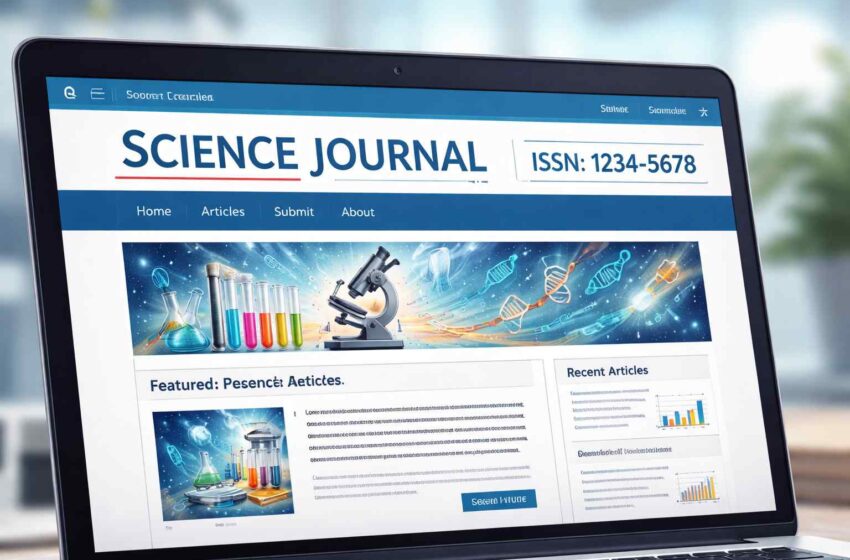
Unlike the impact factor, an ISSN has no implications for the quality of the journal. Although some ‘predatory’ journals, by displaying the journals’ ISSNs prominently, may wish to imply that these journals have some ‘standard,’ researchers should not be misled by these claims but remember that an ISSN is simply a code or a tag that identifies a serial publication. The misconception that a journal has some standard because it has an ISSN, or the international standard serial number, is so common that ISSN.org, the organization responsible for assigning these numbers, has to state upfront on its website [1] that the number “does not guarantee the quality or validity of the contents [of the journal].” Some 1.8 million ISSNs have been assigned so far. In fact, the same logic applies to ISBN, or the International Standard Book Number. If you’re unsure whether a journal is predatory or fake, look it up in Journal Finder, which is strictly restricted to journals indexed in reputed directories like Scopus or Web of Science.