
 Video: AI for Knowledge Management: What Does the Future Hold?

How is artificial intelligence (AI) helping in knowledge management? It’s true that AI has several amazing capabilities like image recognition and pattern recognition, rendering them highly useful in day-to-day activities.
In this video, Dr. Sunaina Singh uses simple everyday examples like DigiYatra, a system that has reformed air travel, to explore how AI has become a part of our lives. She then explains how AI tools democratize knowledge in academia.
- First, AI tools are capable of advanced analysis, making information easily accessible. This, for sure, benefits non-experts. But what about researchers? Well, for starters, it can accelerate research to a great extent. Busy researchers can leverage features like content summarization and simplified searches, helping them curate scientific content and cut down their weekly search time from hours to minutes
- Second, there are open-source pre-training models that enable massive computing, facilitating the development of different types of models for effective knowledge management. Such models are often highly relevant to the tasks executed by researchers.
- Finally, generative AI enables automates tasks and personalizes content, which significantly boosts efficiency and creativity in researchers. For instance, image creation tools help researchers prepare (or enhance) their figures, graphs, and graphical abstracts, simplifying these once expert-handled tasks.
AI tools are here to stay for a long time. And researchers should learn to ethically embrace this highly capable assistant to ease research workflows.
Break that writer’s block! Check out Paperpal and simplify your academic writing with AI assistance.
Related post
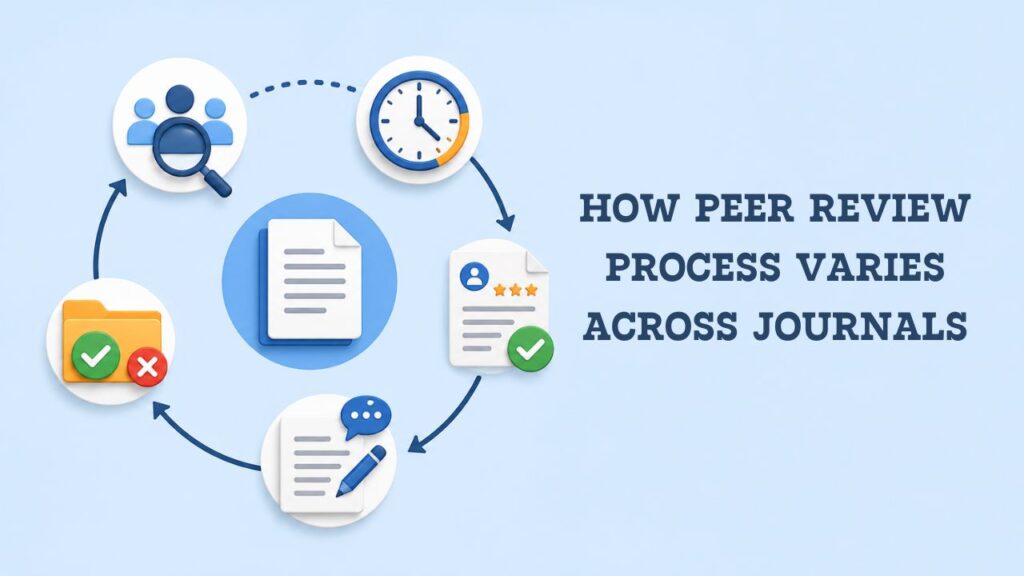
Understanding the Peer Review Process in Different...
October 13, 2026





How to Reply Politely to Peer Reviewer...
October 2, 2026