Burnout in Academia: How to Face a Perfect Storm
The “Perfect Storm” in academia
Scan any news site, visit social media pages or read journal editorials – the bleak and gloomy picture that is painted day after day for weeks, months and years can get tiresome. Initial responses to any major change may be of shock, amazement or bewilderment owing to complete disruption of systems, institutions or a dismantling of paradigms that one believed were permanent.
What does one do when the external events begin to impact work and well-being? Where do you turn? Is there a toolkit or comfort zone to turn to when you just cannot handle the uncertainty or negativity anymore? Sometimes, weathering the storm is the right approach – many storms do pass in due course, and the old wisdom of survival of the fittest holds true in such cases. But when there are multiple storms – or a “perfect storm” – which one do you weather, and which one do you succumb to?
Three (imaginary, but realistic) scenarios
-
An Early career go-getter has a setback
A researcher who completed their Ph.D. followed by 4 years of postdoctoral research had been awarded a 3-year grant to set up their new laboratory. They moved to another state for this opportunity and brought their family along. Now they learn that the grant was cancelled due to a budget cut. What now?
-
A Mid-career academic faces uncertainty
An assistant professor who in her 40s has successfully gotten funded for the past 5 years had applied for a competitive grant renewal. This is important because it will determine whether she can continue supporting her two Ph.D. students who are currently in their 3rd and 4th year. However, the agency that issued the grant is undergoing restructuring and has informed her that they may not renew grants this year. What does she do now?
-
A Senior faculty is dealing with a perfect storm
A senior, highly respected faculty member – full professor, with tenure, is running a hugely successful program with multiple students and postdoctoral fellows. Now he has learned that there are many fires to put out: two papers got retracted due to an error in the figures; the core facility that used to analyze their samples got shut down; 3 postdoctoral fellows left the laboratory – essentially halting their projects; a colleague he was working with closely lost his funding and decided to quit academia. “The Perfect Storm!” – Which fire does he put out first?
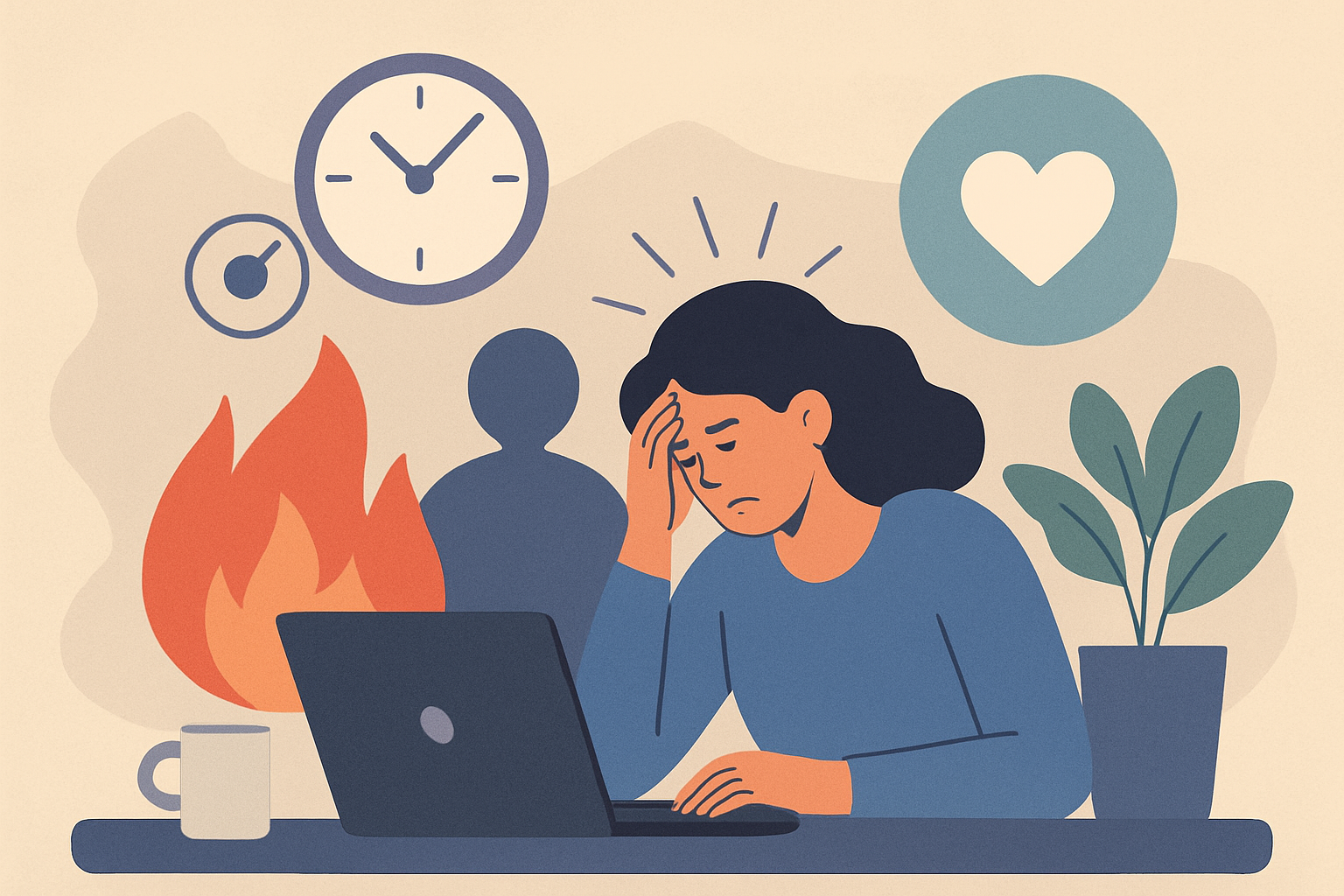
So many stories, so many scenarios – one can assign blame, look for temporary solutions or take a sabbatical. However, burnout is real – with all of the changes happening in academia – it is too much all at once. Here are some helpful articles to turn to if you need a little support or want to feel like you are not alone.
Helpful reading
Developing a DIY attitude:
Building your own grant writing support system: Grant success is often treated as a matter of individual ability, but it depends heavily on the systems of support around a researcher. When those are missing researchers should not treat it as a personal failure. Creating their own support network is a practical way to level the playing field.
Tips to turn to:
10 tips to avoid research burnout: Burnout has become one of the most pressing challenges in academia. Here are some tips to get through burnout and realign your energy for a year ahead.
Still struggling? It’s OK – you are not alone.
It’s OK to not be OK: Despite concerning trends of burnout in academia, many still don’t actively seek support, leaving a silent majority to struggle alone. Read this helpful piece on what the silent struggles are and where individuals and institutions can turn for support.
Designed for someone else’s life: What can you do when caregiving and work occupy the same time, space and energy in your life? This heartfelt editorial digs deep into the very real challenges faced in the modern professional setting – academia or otherwise – in which the systems have not yet evolved to match the realities of today.
Write to us!
Do you have your own stories to tell? Write to us at insights@editage.com. If you would like to contribute a guest blog, let us know as well!