Different Minds, Stronger Science: What Helps Neurodivergent Scientists Thrive
The Dream of a Nobel Prize
As a child, I was fascinated by science and dreamed of winning a Nobel Prize for making a breakthrough for curing cancer. My path to becoming a scientist was not straightforward, since I am Neurodivergent (ADHD, learning disabilities, dyslexia and speech impairment) and throughout my education I had to spend more time to master material than many of my peers and relied on accommodations such as having a note-taker, extra test taking time and quiet distracted free space. Although, I faced challenges sometimes leading me to question whether I belonged in science, allies helped me see strengths that I question and could not always recognize in myself.
The Mentor Who Believed
One of my Biology professors described me as a “diamond in the rough” and encouraged me to pursue graduate school despite my doubts. She believed in my potential and knew I would overcome my struggles via my passion and dedication to my goals. That provided me with the encouragement to pursue an advanced degree in science.
The Path to Becoming a Scientist
I had some difficulties throughout my graduate studies, but I did achieve earning a Master of Science degree. After graduation, it took me more than 18 months to achieve my first scientific position, a period marked by uncertainty and self-doubt. Like many early-career scientists facing setbacks, I questioned whether I had chosen the right path. After that first scientific position after an 18-month searching, I found the right opportunity with a PI that was about to start up her own research lab and hired me as her research assistant/lab manager to help build her research program. She understood my strengths and weaknesses as a Neurodivergent individual, we earned each other trust and build a friendship, and she allowed me to freely bring my research ideas, and we developed a professional calibration. She knew I was an active learner and always put the extra hard work to accomplish what I needed to get done in the lab. She always appreciated and acknowledged my extra time and effort and allowed me to professionally grow. I was there until she decided to pursue another career direction, closed down her lab and move away.
After feeling accomplished as a scientist for five years, the road got bumpy with many short-term positions that lasted from four months up to two years. Out of these many jobs, there was only one that stood out. That was working for a Fortune 500 company during the Covid19 pandemic, where I had many good managers and supportive colleagues. They understood my strengths and weaknesses and always encouraged me to pursue additional learning opportunities, such as obtaining my ASCP Board Certification as a Technologist in Molecular Biology, MB(ASCP)CM. Fortunately that was one of many places where I felt that I belonged and was welcomed, since I had managers and allies that understood who I am and respected my way of learning.
When the Support is Not There
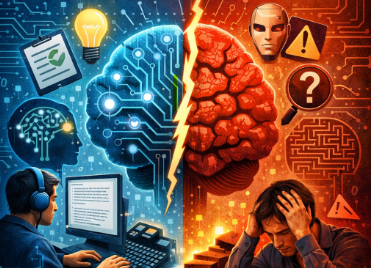
The other organizations I felt like I was part of what I called, “The Neurodivergent Employment Revolving Door”, where they recruited and hired me, put me through standardized training with no accommodations or support, leading to poor fit workplace culture that led me back to unemployment. I had many days where I felt that my science career would end and all the sweat, blood and tears I spent studying and working extra hard due to my disability were wasted. I worked extra hard each time, struggling to find a job but realizing I wanted to be a successful neurodivergent scientist. I have met other neurodivergent scientists on my career journey, some of whom had the same struggles, some were successful thanks to having a good support system with mentors and allies who understand them.
Neurodivergent Scientists and I have many superpowers that are being overlooked by employers. These include deep focus and attention to details, innovative and creative thinking, pattern recognition and analytical strengths, resilience and perseverance, authenticity and integrity, and lastly our hyperfocus and passion for learning. All of these traits make us good scientists drive breakthroughs and to make an impact. However, the current system at most employers is not based on our neurodivergent talent, while focuses on neurotypical scientists. They are missing a big talent pool of great scientists.
The Road Ahead
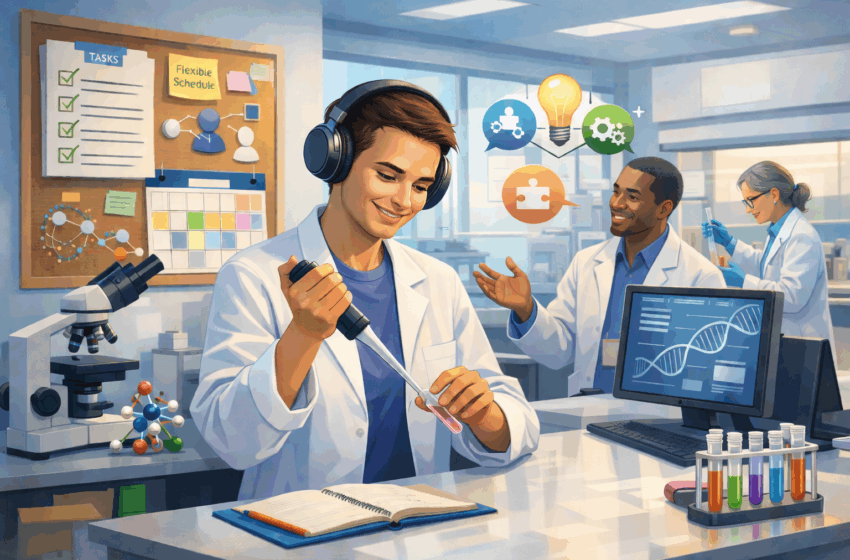
My career setback and experience has taught me that “what helps neurodivergent scientists thrive” is a good supportive workplace culture where we feel psychological safe, mutual trust and respect, peer support through allyship and mentorship, colleagues and managers that have neurodiversity awareness, career guidance and support, personalized training and onboarding which is based on strength-based onboarding, clear instructions and expectations, and opportunities to learn. In addition to neuroinclusive management that understands flexible work options, clear communication, and sensory-friendly environments. Employers who support neurodivergent support systems in the workplace will lead to increased innovation, higher retention, reduced burnout, improved productivity and stronger teams.
Looking back over all the years makes me realize the real problem isn’t neurodivergent talent. It is workplace systems that fail to support it. To other neurodivergent scientists: remember that although career setbacks may happen, do not let them affect who you are. Being an advocate for yourself and other neurodivergent scientists will lead to a better scientific workforce which celebrates our superpowers and provides us with the support to be successful.