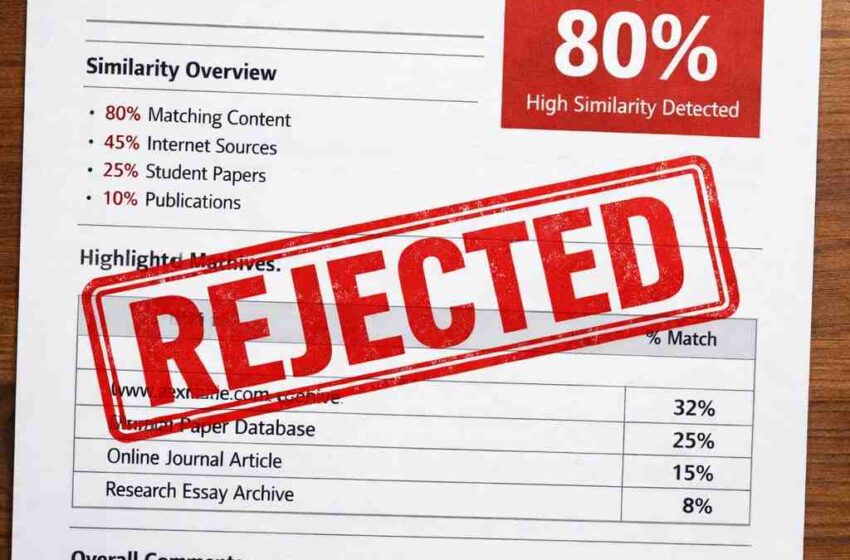
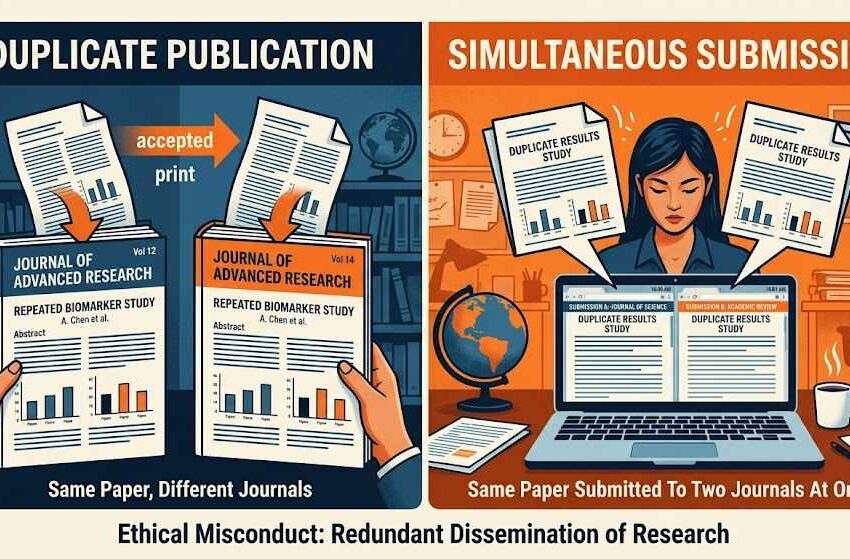
Key Takeaways ✓ Duplicate publication = republishing previously published work without permission or disclosure ✓ Simultaneous submission = submitting the same work to multiple journals without telling editors ✓ Both are serious ethical violations that damage research integrity and your Read More
Articles
Other Content Types
Learn about different types of plagiarism, including AI-related plagiarism, self-plagiarism, mosaic plagiarism, etc. Read More
Jump to Contents What is inductive reasoning? Types of Inductive Reasoning Examples of inductive reasoning Inductive vs. Deductive vs. Abductive Reasoning Inductive Reasoning Across Different Fields Specific inductive approaches Benefits of an inductive approach Common Read More
In this article, you’ll learn What is the null hypothesis? What is the alternative hypothesis? What is a p value? What is Null Hypothesis Significance Testing (NHST)? What are the drawbacks of null hypothesis Read More
In a previous post, I spoke about the role of regulatory bodies governing animal research. It’s now time to talk about what institutional ethics boards do when it comes to vetting animal research proposals. Read More
Blog Highlights: Introduction AI vs Gen AI: What’s the difference? What is AI-assisted writing? AI tools accepted in research paper writing (And those that could get your Read More
Key takeaway: Getting published in an SCIE journal is possible by following the framework outlined in this guide: understanding SCIE standards, developing high-quality research, mastering scientific writing, and navigating the submission and review process strategically. Read More
You can spot an AI-generated medical paper by Paper mills have been around in science for quite a while, but have really accelerated after generative AI, especially all-purpose, free large language models (LLMs) like ChatGPT, Read More
If academia is going through a mid-life crisis, the symptoms aren’t hard to spot. Policies are evolving, ideologies are at war, the infrastructure is groaning under new expectations, and the academic industry acronyms are Read More
Conducting a review of related literature (RRL) involves deciding how to organize the review (chronological vs thematic) searching the literature for relevant studies screening chosen studies by reading the title and abstract, then moving on Read More